Mile-High Coffee Cake Muffins

If I had to answer the If you were stranded on a deserted island, what three things would you bring? question, coffee cake would probably make the cut. It’s been a life-long love affair, and I don’t see that changing any time soon. I was the child who picked at the crumbs so all that was left was the naked cake. Don’t get me wrong, the cake is great! But I could nibble at those crumbs like it was my job. (Sorry, Mom!)

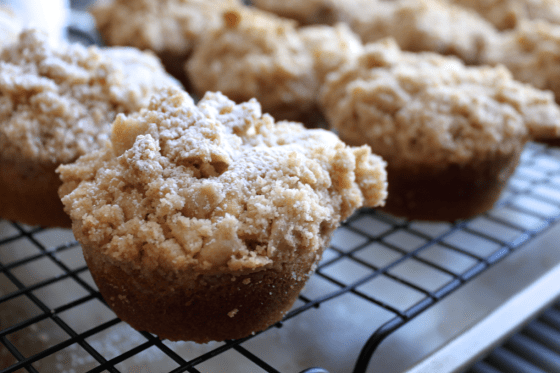
I decided to bake this coffee cake in muffin cups to make single servings (recipe adapted from this great blog). These would be great to bake if you ever have family or friends staying overnight. Imagine these on the breakfast table with coffee! You’d have one happy guest.

As the muffins came out of the oven, it slowly dawned on me that I had no idea how I was going to get them out of the pan. You can’t exactly turn them upside down! What I found to work best was to very gently turn each muffin in its cup before sliding it out. It worked surprising well, and I didn’t sacrifice a single muffin!

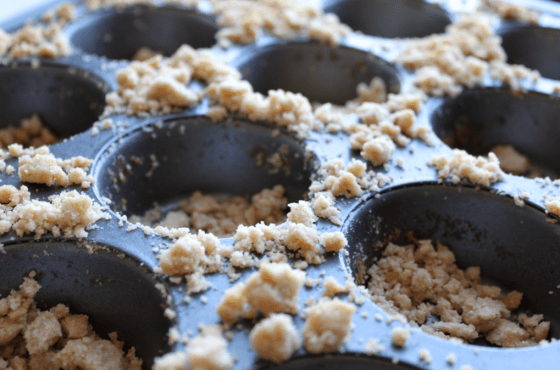
You’ll notice that a lot of crumbs were left behind in the now-empty muffin pan. Don’t you dare throw those away! I placed mine in a glass container to keep in the fridge for a few days. I have a hunch they will pair nicely with vanilla ice cream.

Now that I am in a full-blown crumb comma, I will leave you with the recipe below. Are you baking anything special this weekend?

Mile-High Coffee Cake Muffins (adapted from Offbeat + Inspired)

Prep time: 25 minutes | Bake time: 20 minutes | Yields: 12 muffins

Ingredients for the crumb:

  • 2/3 cup granulated sugar
  • 2/3 cup packed light brown sugar
  • 1 1/2 tsp ground cinnamon
  • 1/4 tsp salt
  • 2 sticks unsalted butter, melted
  • 3 1/2 cups cake flour

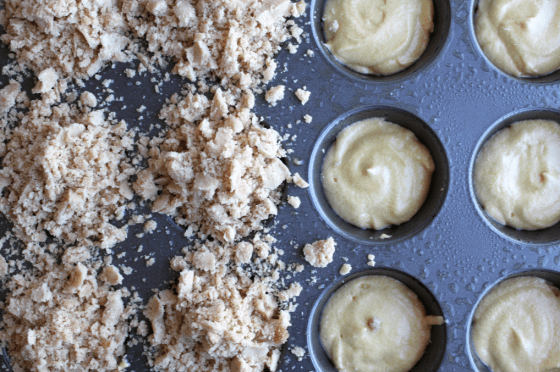
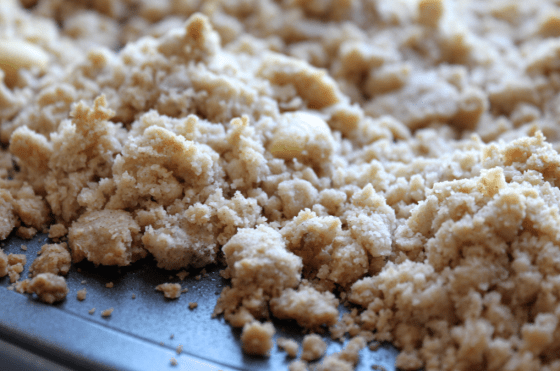
To make the crumb topping, combine sugars, cinnamon, and salt in a large bowl. Pour the melted butter over the mixture and stir with a spatula until fully incorporated. Stir in the cake flour until a sugary dough is created. Set the bowl aside to cool.

Ingredients for the cake:

  • 1 1/4 cups cake flour
  • 1/2 cup granulated sugar
  • 1/4 tsp baking soda
  • 1/4 tsp salt
  • 6 tbs unsalted butter, softened
  • 1 large egg
  • 2 egg yolks
  • 1 tsp vanilla extract
  • 1/3 cup buttermilk*

Preheat oven to 325°F. Coat a standard 12-cup muffin pan with cooking spray and set aside. In a large mixing bowl, whisk together the flour, sugar, baking soda, and salt. Use an electric mixer to add in the softened butter, and beat until the mixture forms small, moist crumbs.

In a small bowl, combine the egg, egg yolks, vanilla extract, and buttermilk. Lightly whisk ingredients until smooth, and then add this to the dry ingredients. Mix together until light and fluffy, 2-3 minutes.

Spoon the batter into the muffin pan, filling each cup about 1/3 of the way up. Next, cover each muffin cup with a generous amount of crumbs.

Bake muffins for 10 minutes in the bottom third of the oven. Switch to the upper third, and bake for an addition 8-10 minutes, or until a toothpick comes out clean. If you’d like browner crumbs, turn the oven to broil for the last two minutes. (Warning: Do NOT leave the kitchen during this time, as the crumbs can easily burn!)

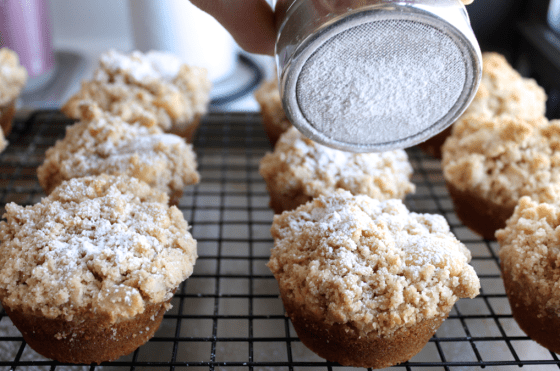
Remove muffins from the oven and let cool for five minutes. Transfer muffins to a cooling rack with a cookie sheet placed underneath. Once they are completely cool, dust muffins with powdered sugar and serve!

*To make 1 cup of your own buttermilk, measure 1 tbs of lemon juice in a 1 cup measuring cup. Fill remainder with milk. Stir, let sit for 5 minutes, and use what you need!

From Scissors & Sage

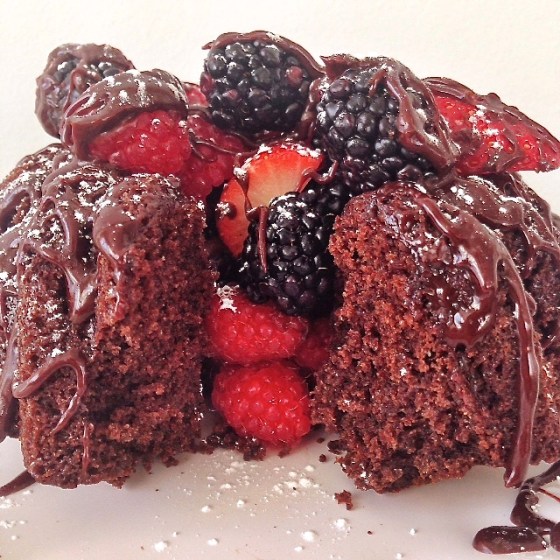
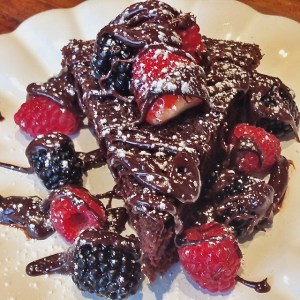
Mini Chocolate and Berry Bundt Cakes With: Tala Ginsberg

I realize that I’ve been heavy on the guest blog posts these days, but I just can’t help myself! It’s so fun hearing from other passionate crafters and bakers and the like. The first guest blog post of 2015 came from Elaine Burns, who taught us how to arrange a beautiful bouquet of flowers. The second guest post was from Jayme Henderson of Holly & Flora. She shared a delicious blood orange whiskey cocktail recipe with us. Next up: Tala Ginsberg. She is a Speech and Language Pathology student by day, creative baker by night. We went to college together, and we were both music majors.

Tala runs her own baking business called Eats and the City (@eatsandthecity on Instagram), and comes up with all kinds of mouth-watering recipes. When we spoke about her guest posting on Scissors & Sage, she asked what type of dessert I had in mind. I told her I like the combination of chocolate and berries, and she took it from there. Below you will find her story and recipe!

From Tala: I have always been a passionate baker. I started baking around the age of six or seven on my own, though when I was that young it was basically boxed cakes and Pillsbury cookie dough tubs! When I spent time at home with my nanny, I remember going to the basement to get a box of brownie or cake mix to make on my own. I would always have to ask my nanny to hold the bowl while I scraped the batter into the cake pan because my little hands couldn’t do it all!

I essentially started Eats and the City because I was constantly baking and putting the end results on my personal Instagram. One day, my roommates encouraged me to consider making an Instagram just for my food. Originally, I was against it because it seemed like too much work but, after giving in, I became addicted to it! My favorite part of @eatsandthecity is seeing peoples’ reactions. That’s the best part of baking in general.

For the past couple of years or so, I’ve tried not to make the same thing twice (except classic chocolate chip cookies, which you can never make too many of). I always try to switch it up, even if it’s the same base recipe (for example, brownies) but with a new twist. A few years back, I started asking my friends to pick one ingredient on their birthdays. From there, I decided on what dessert to make for them. It has ranged from ice cream cake with toasted marshmallows to cinnamon sugar brownies. I also find a lot of inspiration from Pinterest.

This year, I am focusing on gaining @eatsandthecity followers. I want people to become interested in the desserts that I make. The more people see what I’m making, the more helpful feedback I get. Everything I make for EatC is homemade, so the feedback is important to me. I’d love to one day open a bakery, and I see this as my own mini-start to that dream.

Mini Berry Surprise Bundt Cakes (adapted from Hip Foodie Mom)

Bake time: 20-25 minutes | Yields: Makes four 6” Bundt Cakes

Ingredients for the cake:

  • 1 ½ cups room-temperature brewed coffee
  • 1 cup unsalted butter (at room temperature)
  • 1 cup cocoa powder
  • 2 cups white granulated sugar
  • 2 cups all-purpose flour
  • 1 ¼ tsp baking soda
  • ½ tsp salt
  • 2 eggs
  • 1 ½ tsp vanilla

Ingredients for the ganache:

  • 1 cup semisweet chocolate chips
  • 2/3 cup heavy cream
  • ½ tsp vanilla

Ingredients for the extras:

  • Mixed berries (I used blackberries, raspberries and strawberries.)
  • Powdered sugar

For the cake: Preheat oven to 375°F and coat bundt pans with cooking spray to ensure that the cakes will pop right out. In a small bowl, combine flour, baking soda, and salt. In a large bowl, cream softened butter and granulated sugar. Beat eggs into the large bowl one at a time until light and fluffy. Add cocoa powder and mix thoroughly. Stir in coffee until well-mixed. Next, add the flour mixture to the large bowl. Once the mixture is well-combined, pour the mixture into the bundt pans. Bake for approximately 20-25 minutes, or until a toothpick comes out clean. Let cakes cool before adding the extras.

For the ganache: Pour the chocolate chips into a medium bowl and set aside. Combine the heavy cream and vanilla extract in a saucepan on the stove. Heat on low until little bubbles form around the edges. Leave on for approximately 30 seconds. Pour this hot mixture over the chocolate chips in the bowl. Use a whisk to mix and thoroughly combine until chocolate chips are melted. Pour over bundt cakes and serve with extras.

From Scissors & Sage

All photos taken by Tala Ginsberg

Cocktail Concocting With: Jayme Henderson

This week I am so excited to introduce a new blogging friend, Jayme Henderson. I discovered her blog a few months ago, and just can’t get enough! She is a gardener and sommelier based in Denver, Colorado. She also happens to write the wine column at the Kitchn. Her love for all-things-paired is quite evident in her own blogging and photography. I can only hope that my photographs look as wonderful as hers some day!

Last Monday, I shared a tour of my and Anne’s bar cart. Now, Jayme is here to show us how it’s done.

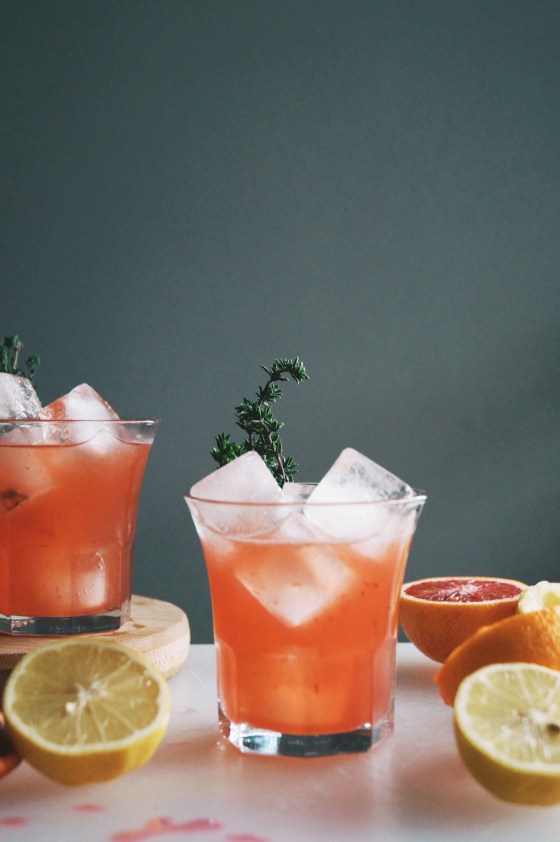
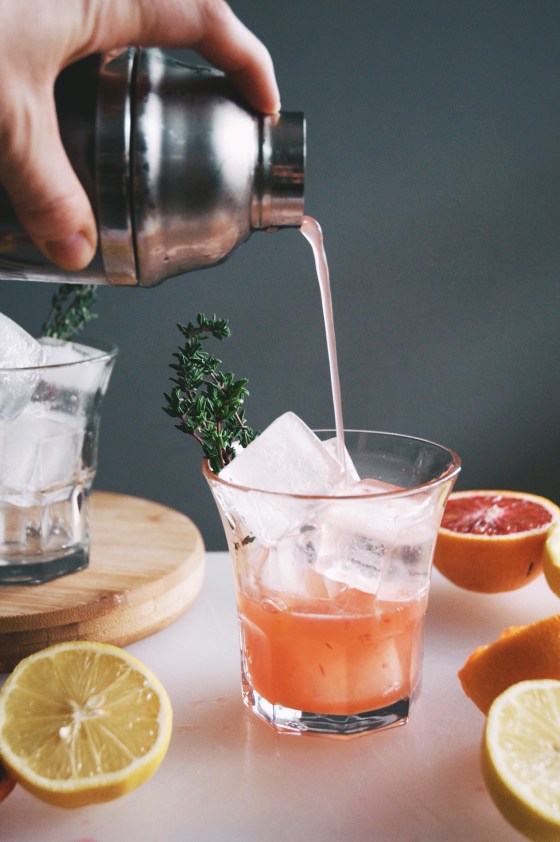
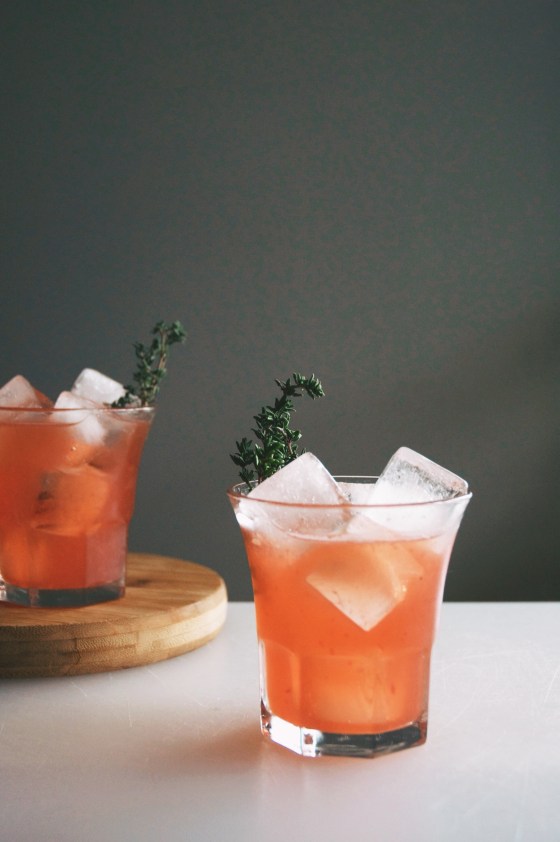
Blood Orange Whiskey Cocktail (Recipe below!)

Hello! My name is Jayme Henderson, and I write the blog Holly & Flora. It’s where I post original cocktails, wine-and-recipe pairings, and DIY projects. I am constantly inspired by my home garden, and my projects reflect that love. If I could spend the rest of my days surrounded by tomatoes, herbs, and flowers, trust me, I would. For now, I balance my time in the garden between working as a full-time sommelier here in Denver and writing the wine column at the Kitchn.

I was completely flattered when Victoria asked me to create a cocktail and guest post here at Scissors & Sage. I immediately felt right at home when I discovered her blog. I always look forward to her interesting and well-written tutorials. Many thanks, Victoria!

I eagerly anticipate the onset of citrus season. Not only are the bright, delicious fruits a refreshing respite in the dead of winter, but they also remind me of my grandfather. He was a second-generation citrus grower in Florida, my home state, so the aroma of oranges transports me back home. It was only natural for me to create an orange cocktail.

This particular cocktail’s flavor profile is balanced between being slightly sweet and a little bitter. The finish is refreshing and savory, with notes of baking spices. That’s definitely the somm coming out in me with those descriptors! I chose Tin Cup Whiskey as the base spirit. It’s a Colorado whiskey with a bourbon-style profile, complemented by a spicy, peppery kick. Vodka, gin, and sparkling wine all pair well with blood orange juice, but swapping them out for whiskey provides a richer and more savory flavor.

The other key ingredient I added is Amaro Nonino Quintessentia. What exactly is an amaro? An amaro is a bitter-sweet, herbaceous Italian digestif, a liqueur usually consumed after a meal. Nonino is especially enjoyable. Unlike other styles of amaro, which can be intensely herbaceous and even medicinal, Nonino is balanced and has slightly bitter notes of burnt orange and spices. I like to enjoy a skosh of it after a rich meal. It is one of those sipping spirits that warms the soul and makes you slow down. And it’s a killer addition to a whiskey-based cocktail.

Thanks again, Victoria, for letting me drop in and share a cocktail here! And cheers to enjoying citrus season, surviving the chill, and having the patience for spring’s arrival!

Haven’t gotten enough of Jayme? Find her on Instagram, Twitter, and Facebook!

Blood Orange Whiskey Cocktail (Serves One)

Ingredients:

  • 1 1/2 ounces whiskey or bourbon
  • 1/2 ounce Amaro Nonino Quintessentia
  • 2 1/2 ounces freshly squeezed blood orange juice (about two blood oranges)
  • 1/4 ounce freshly squeezed lemon juice (about a quarter of a lemon)
  • 1/2 ounce agave nectar
  • 2-3 dashes orange bitters
  • Sprig of thyme

Juice the citrus and set aside. Then, fill a cocktail shaker with ice. Add the whiskey, amaro, blood orange juice, lemon juice, agave nectar, and bitters. Shake until nicely chilled. Strain and pour into a cocktail glass filled with fresh ice. Finally, squeeze the thyme sprig a few times to release its aroma and garnish!

Notes:

  • This recipe can be easily doubled, and tastes great served up shaken and strained.
  • If you have trouble finding blood oranges, navels or other types can be substituted.
  • Depending upon the sweetness of the blood oranges, increase or decrease the amount of agave nectar, to taste.

All photos taken by Jayme Henderson

How to Cook, Roast, and Enjoy Winter’s Favorite Fruit (From Health Perch)

Happy New Year, readers! I hope that you all had a safe and enjoyable time celebrating the end of 2014 and beginning of 2015.  I, for one, am very excited to be continuing my Scissors & Sage journey into the new year.  As I think and write about my own personal resolutions, I am eager and inspired to further cultivate this blog.

With that said, a representative from Ghergich PR contacted me a few weeks ago about promoting an article from Health Perch, a digital health magazine.  When I read through the content and saw the beautiful graphics that go along with it, I thought that it was definitely worth sharing.  There is a lot of very helpful information (plus many delicious-looking recipes!) about how to best prepare, cook, and enjoy the endless health benefits of squash.

I hope that you love this article as much as I did!  -Victoria


How to Cook, Roast, and Enjoy Winter’s Favorite Fruit
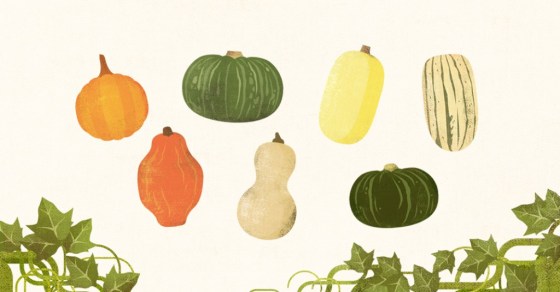
Here’s everything you need to know (tasty recipes included).

Bisque, risotto, lasagna, sauté, soup—there’s no getting around it: Winter squash is the fruit to cook with during the cold-weather season. Beyond just carving them for decoration, roasted pumpkin, squash, and gourds (all members of the curcubita genus) make for the perfect addition to a warm and comforting dish. Amidst reports this winter will be equally as frigid as the last, we’ll take all the healthy, warming meals we can get.

Of course, the squash didn’t start out as the diet darling we know today. More than 4,000 years ago, squash and gourds, which are actually harvested in the fall, were hollowed out and used as dishware. Researchers from the University of Missouri studied the residues in these “dishes” and found traces of starch grains, including potato and arrowroot (an interesting peek into the eating habits of early settlers).

Today, these fruits aren’t just welcome additions to our meals, but also rich sources of healthy nutrients. One study found women who maintain diets high in lutein and zeaxanthin—both found in pumpkin and butternut squash—reduce risk for age-related macular degeneration (AMD), the leading cause of blindness in older Americans. Previous studies have shown these compounds work to reduce risk of AMD by absorbing “free radicals from damaging eye cells and by strengthening eye cell membranes.”

Probably the most recognizable healthy compounds associated with winter squash are carotenoids. A type of phytonutrient, carotenoids give squash their trademark yellow, orange, green, and sometimes red colors. Yellow and orange squash source their hue from alpha-carotene, beta-carotene, and beta-cryptoxanthin, all of which are high in vitamin A and can be converted into retinol for eye health. Green squash sources its hue from lutein and zeaxanthin, while red squash sources its color from lycopene.

As if that weren’t reason enough to load up on carotenoids, a study published in the Archives of Internal Medicine found increased consumption of the antioxidant is associated with reduced risk of death. Yellow-orange vegetables, such as carrots, sweet potatoes, pumpkin, or winter squash, and dark-green vegetables, such as broccoli, green beans, green peas, spinach, turnips greens, collards, and leaf lettuce, are rich in alpha-carotene, which was strongly associated with a decreased risk of lung cancer compared to other types of vegetables.

It’s clear the health benefits of squash are just about as abundant as the squash themselves. Before you get roasting, read on for squash-specific tips, from selecting them at the grocery store to foolproof prep.
The Skinny on Squash

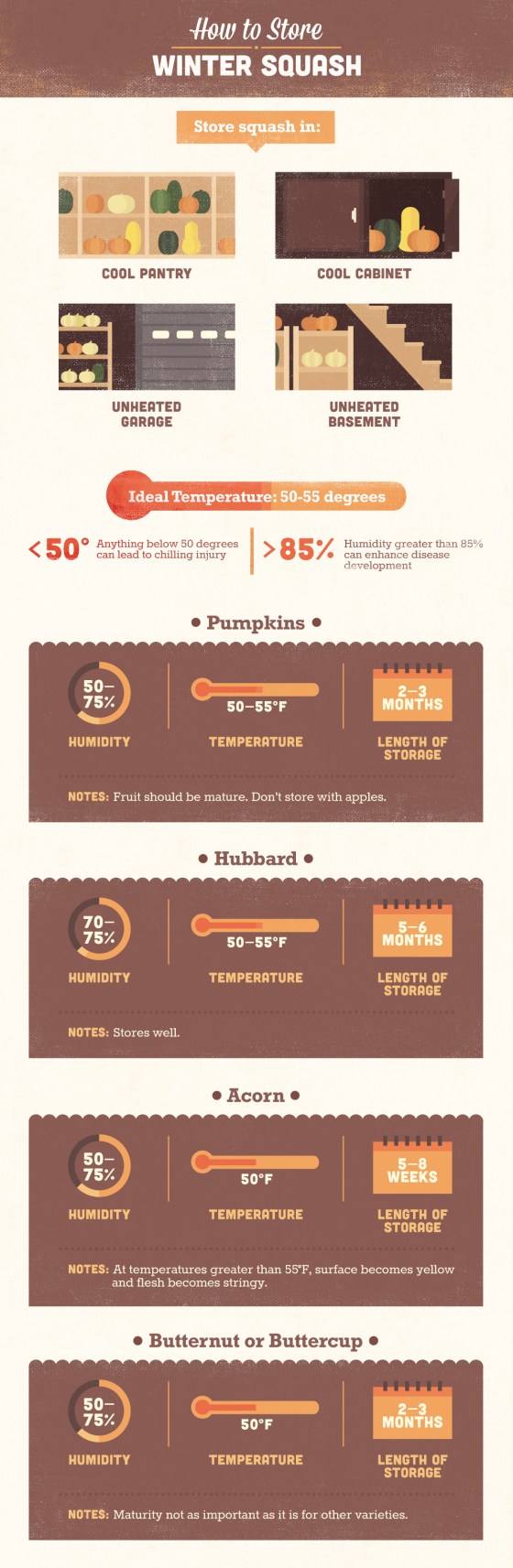
Let’s start with the basics. The Old Farmer’s Almanac advises perfect-looking, “sunned” squash keep longest. In this case, sunned simply means squash stored in a sunny spot for a couple of weeks. Usually, the farmer has already taken care of this. You’ll know you picked the perfect squash if it’s blemish- and bruise-free, and the stem is intact.

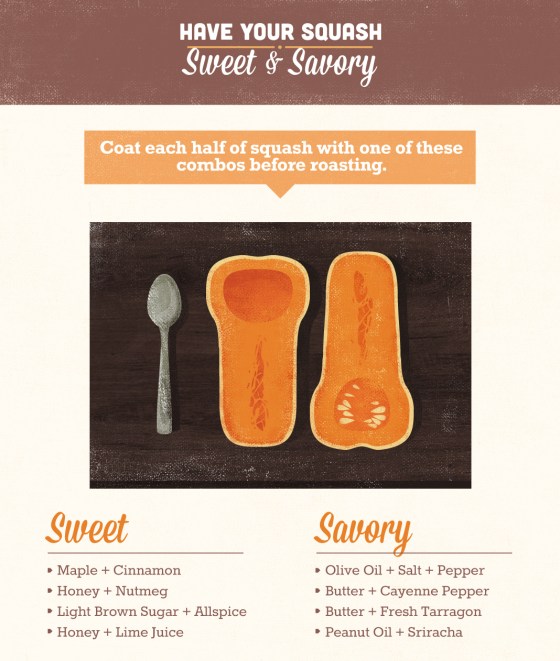
Every squash is different. Some are ideal for stuffing and baking, others just for baking. A majority of squash, however, taste best when roasted. For a quick, easy way to roast, toss cubed squash with oil, spread on a baking sheet, and cook until desired consistency, usually fork-tender. Or, if you have more time, carefully wash, peel, and cut squash into same-size pieces before evenly coating with olive oil. Season with kosher salt and pepper, then spread on a baking sheet to roast.

Why roast? Sending squash to the oven sweetens the flavor profile. This makes fruits and vegetables look great (that nice golden brown color) and more palatable to the people who aren’t the biggest fan of veggies. Ultimately, the characteristic of each individual squash will determine the best method of cooking.

Acorn Squash

AKA: Pepper or Des Moines Squash

No surprises here: This squash’s name derives from its acorn-like shape. Its color varies, from yellow to tan, but the most common type is dark green with a touch of orange on the top. It’s best for stuffing (with rice and meat), but can be roasted and sautéed. Some even toast the seeds for a snack that’s rich in protein, zinc, iron, and vitamin E.

Acorn squash isn’t as rich in beta-carotene as other varieties, but one cup contains 145 percent of the daily recommended serving of vitamin A (2,300 IU for women, 3,000 IU for men), in addition to high levels of vitamin C, potassium, manganese, folate, heart-healthy omega-3s, and fiber (a key factor to feeling fuller, longer).

TRY IT: Stuffed Acorn Squash With Apples, Walnuts, and Cherries

Butternut Squash

AKA: Butternut Pumpkin (Australia and New Zealand)

Talk about the bell of the ball: This long, bell-shape squash is sweet and creamy, and arguably the most popular of the bunch (or patch?). Its skin is yellow while the pulpy flesh is orange and deepens as it ripens. It’s also the one fruit prepared most as a vegetable: roasted, toasted, pureed, mashed, and so on. It’s often served as a side or sauce rather than stuffed for a main meal or baked into dessert.

Vitamin A is abundant in butternut squash, and it is rich in vitamins, like brain-boosting folate, iron, zinc, copper, calcium, potassium, and phosphorus.

TRY IT: Crock Pot Beef And Butternut Squash Stew
Pumpkin

AKA: Sugar Pie Pumpkin

Butternut squash may be a fan favorite, but pumpkin is the season’s staple fruit. There are jack-o’-lanterns for carving, and sugar pie pumpkins for baking, roasting, and puréeing. Technically, you could eat the carving pumpkins, but they’re too wet and bland.

A cup of cooked pumpkin packs another serious punch of vitamin A—more than 200 percent of the recommended amount—as well as fiber and a hearty dose of tasty, healthy seeds. Pumpkin seeds contain a plant-based chemical called phsyosterols, which have been shown to lower LDL, or bad, cholesterol.

TRY IT: Traditional Pumpkin Pie With Fluted Crust

Kabocha Squash

AKA: Japanese Pumpkin

Kabocha squash is similar to butternut squash because its bright, orange flesh is a good source of beta-carotene, vitamin A, iron, vitamin C, and some B vitamins. It’s also loaded with fiber.

Compared to the tough skin of other squashes, kabocha’s is soft and edible so it can be cooked before peeling. Consider using kabocha to thicken soups and stews. Otherwise, roasting is a safe, delicious bet.

TRY IT: Kabocha Squash Fries With Spicy Greek Yogurt Sriracha

Spaghetti Squash

AKA: Orangetti, Pasta Squash

Chances are you’ve seen the oval, yellow squash pitted as a substitute for starchy noodles and rice. That’s partly due to its stringy flesh, which easily separates into spaghetti-like strands once cooked. Unfortunately, a squash is still a squash, and its pasta-like texture isn’t an exact texture and flavor substitute for the real thing.

Spaghetti squash contains only 37 calories per single, four-ounce serving (though you may want to double or triple that portion for a main meal). And since it can be boiled and microwaved, spaghetti squash is a great staple for busy work nights. To jazz it up, cut the squash in half, rub it in oil, season with a little salt and paprika, then pop it in the oven in a casserole dish or on a baking sheet. Just because this healthier pasta imposter isn’t the real deal doesn’t mean you can’t top it with traditional sauces, such as Alfredo, marinara, or a roasted-veggie-loaded version.

TRY IT: Spaghetti Squash Primavera

Delicata Squash

AKA: Sweet Potato Squash

With its creamy flavor and texture, delicata squash resembles a discolored cucumber. Its pale, yellow skin is patterned with dark green stripes. Its flesh is easy to prepare and eat, like kabocha squash, and it tastes like sweet potatoes.

To some food bloggers, delicata squash is considered squash for lazy people. Its skin is super thin and the squash itself takes no time to chop and roast. It contains high levels of beta-carotene, and half-cup serving is chock-full of vitamins A, and C, plus it has just 20 calories. Super quick to cook and nutritious? Sign us up.

TRY IT: Roasted Vegetable Orzo

Hubbard Squash

AKA: Baby, Blue, Chicago, Golden, Green, and Warted Hubbard

It may not seem like it, but hubbard squash is actually one of the largest winter varieties and it works well in both savory and sweet dishes. But this squash has a super tough skin. The flesh, however, has high levels of sugar, along with a texture that’s best pureed or mashed—think pie filling.

Due to its size, hubbard is usually sold in pre-cut, seeded chunks, so it’s easy to handle in the kitchen. If you do purchase the squash as is, the extra tough skin means it can be stored for months at a time.

TRY IT: Hubbard Squash Squares With Shortbread Crust

Buttercup Squash

AKA: True Winter Squash

Fill me up, buttercup (squash) baby: This orange and creamy-fleshed squash is sweeter than most, but it works equally for savory recipes. If you do choose the sweet route, bake or steam the squash to really bring out those sugary notes.

This squash provides a whole lot of beta-carotene, iron, vitamin C, and potassium, as well as calcium, folic acid, and B-vitamins. Its tough skin may make it more difficult to prepare.

TRY IT: Roasted Cauliflower, Buttercup Squash, & Kale Spaghetti with Pancetta

As the temperatures continue to drop, there’s no denying squash is an incredible source of flavor, vitamins, and healthy nutrients—regardless of type and prep process. Squash can star as a weeknight meal and double as a moderately indulgent dessert. You really can’t go wrong.

A Twist on the Chocolate Chip Cookie

While Christmas may be behind us, I’ve still got food–specifically dessert–on the mind.  Are you spending New Year’s Eve with friends or family?  Were you invited to a potluck but don’t know what to make?  Today, I’ve got a recipe for you that is a surefire crowd pleaser.  This take on the traditional chocolate chip cookie comes from Averie at Averie Cooks: Recipes for Sweet Teeth.  Her blog post was easy to read, had great photos, and provided clear baking instructions–a real keeper in my book!

Without further ado, here is my version of Averie’s cookies:

When I first read that these cookies had cream cheese in them, I thought it was strange.  How could cream cheese taste good in a chocolate chip cookie?  Averie assures readers that the cream cheese is indistinguishable in the cookies, and that it helps keep them soft and gooey, just how I like it! I’m so glad that I decided to whip these up because I will probably never make chocolate chip cookies again without adding cream cheese into the recipe.  They’re that good.

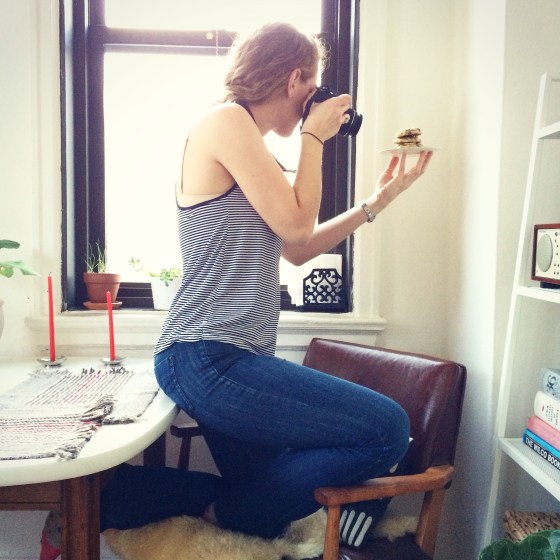
Below is a behind-the-scenes picture of me trying to photograph these cookies in natural light. This is definitely what a homespun photoshoot looks like!  (Photo by Anne Kenealy)

Here’s the recipe!

Cream Cheese Chocolate Chip Cookies (via Averie Cooks)

Prep time: 15 minutes | Bake time: 8 minutes per batch | Yields: 24 cookies

Ingredients:

  • 1/2 cup unsalted butter, softened
  • 1/4 cup cream cheese (original, full-fat type)
  • 3/4 cup light brown sugar, packed
  • 1/4 cup granulated sugar
  • 1 large egg
  • 2 tsp vanilla extract
  • 2 1/4 cups all-purpose flour
  • 2 tsp cornstarch
  • 1 tsp baking soda
  • 1/4 tsp salt, optional
  • 1 cup semi-sweet chocolate chips
  • 1 1/4 cups semi-sweet chocolate chunks

Using an electric hand mixer or stand mixer, combine butter, cream cheese, sugars, egg, and vanilla.  Beat on medium-high speed until well-creamed, light, and fluffy (5-7 minutes).  Scrape the sides of the bowl with a spatula.  Add flour, cornstarch, baking soda, and optional salt.  Mix only until combined (1 minute).  Add chocolate chips and chunks into the mixture.  Fold in using a spatula.

Place 3 large plates on your workspace.  Scoop 2-inch cookie dough mounds onto the plates, pressing them slightly into round formations.  Cover the plates with plastic wrap and refrigerate the dough for 2+ hours.  (You can stop here, if you wish, and bake the cookies up to 5 days later.)  Letting the dough chill will allow for taller, fluffier cookies.

Preheat the oven to 350°F.  Allow chilled cookies to sit out for 10 minutes.  Transfer the dough mounds to non-stick baking sheets or buttered regular sheets, placing them 2 inches apart.  Bake cookies for 8-10 minutes, switching rack positions halfway through.  Do not bake the cookies for more than 10 minutes even if they do not appear to be done.  They will continue baking after they come out of the oven.  Allow cookies to cool for 5 minutes on the baking sheets before transferring them to a wire rack.

Enjoy these cookies within the week, or freeze them for up to 3 months.

From Scissors & Sage